Allulose

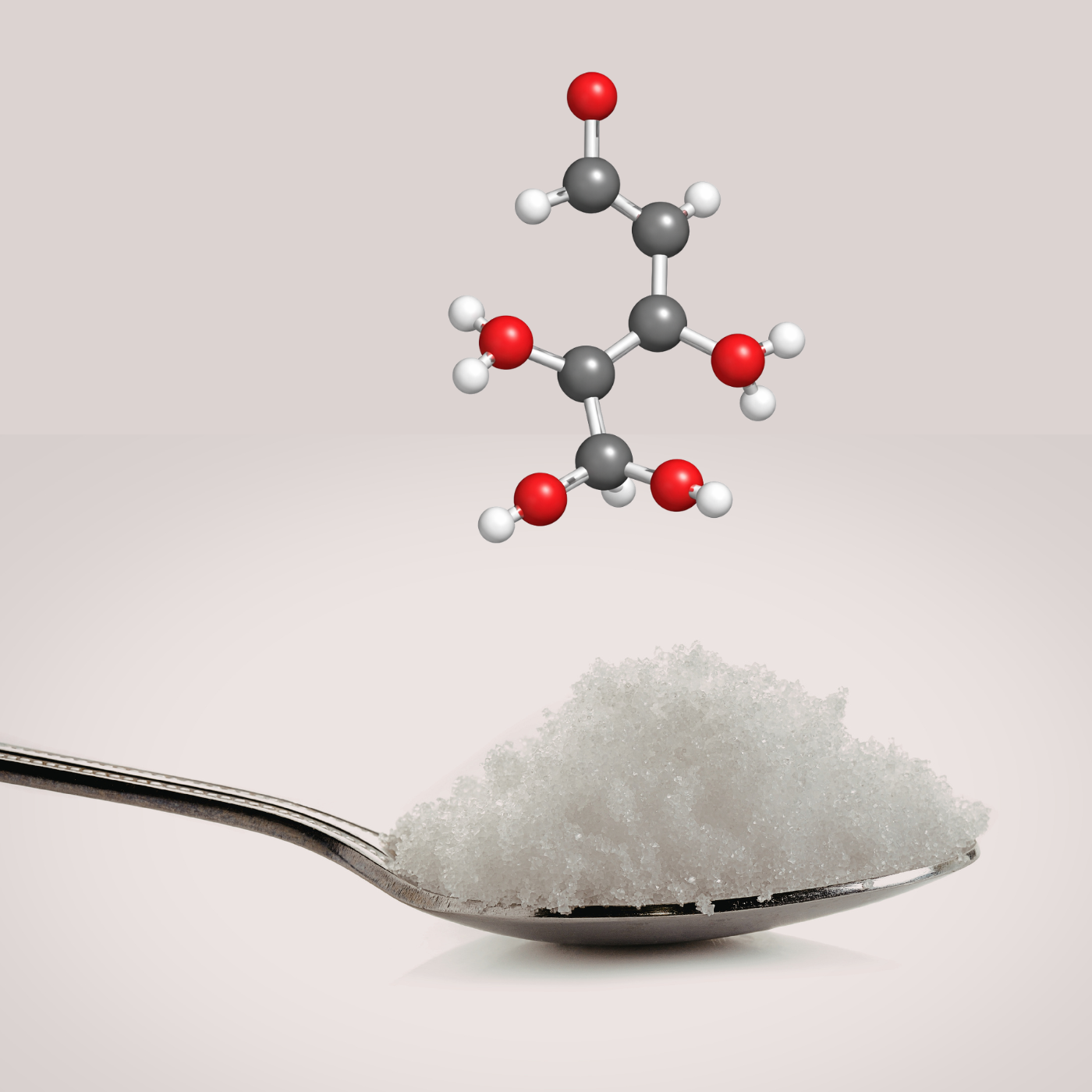
Allulose is one of the most innovative and intriguing sweeteners in the food industry in recent years. It is a rare sugar that appears in nature in small quantities in certain fruits such as figs, raisins, and wheat, but is now produced mainly through advanced biotechnological processes.
Its uniqueness lies in providing a taste very similar to regular sugar, but with significantly lower caloric value and almost zero glycemic impact. For this reason it has become a central raw material in developing reduced-sugar and functional products.
In food product development, allulose allows food technologists to retain technological properties similar to sugar - such as volume, structure, caramelization, and mouthfeel. These properties give it a significant advantage over many intensive sweeteners that provide no physical structure to the product.
In advanced labs like Gruda Food Lab, allulose is used in a wide range of applications, especially in functional beverages, low-sugar desserts, baked goods, and innovative dairy products.
Source and Production Process
Allulose belongs to the family of simple sugars and is defined as a rare sugar. Its chemical name is D-Psicose, and it is an isomer of fructose - the same molecular formula but a different spatial structure.
In nature, allulose can be found in small quantities in certain fruits, but its concentrations are very low and it cannot be commercially extracted from natural sources alone.
Most of the world's allulose is produced through an enzymatic process, in which special enzymes convert fructose to allulose via an isomerization reaction. After the reaction, the solution undergoes purification, concentration, and drying to produce allulose powder or syrup.
Chemical Structure and Physical Properties
Allulose is a monosaccharide with a structure similar to fructose. The difference in the position of hydroxyl groups in the molecule causes the human body to almost not metabolize it.
When allulose is consumed, most of it is absorbed in the small intestine but does not undergo significant metabolism. A large portion is excreted from the body without energy utilization.
The caloric value of allulose is very low compared to sucrose - approximately 0.2 to 0.4 kcal per gram. In terms of sweetness, allulose provides approximately 70 percent of the sweetness intensity of regular sugar.
Technological Advantages in Food Product Development
One of the key advantages of allulose is that it behaves in many products similarly to sugar.
In baking systems, for example, allulose is capable of participating in Maillard reactions and caramelization, meaning products based on it can achieve color and taste similar to regular-sugar products.
Allulose also contributes to volume and structure in baked goods - something many intensive sweeteners cannot provide. It also delivers a pleasant mouthfeel without bitter or metallic off-tastes, a common problem with other sweeteners.
Applications in the Food Industry
Allulose is increasingly used across a wide range of food categories.
In functional beverages it can create low-calorie drinks with better body sensation compared to beverages based on intensive sweeteners alone.
In dairy products, allulose is used in developing yogurts, desserts, and low-sugar ice creams, helping maintain a creamy texture and stable structure.
In confectionery and baking, allulose enables low-sugar cookies, cakes, and baked goods with browning results comparable to regular sugar.
It is also used in the candy industry for caramels, gummies, and other products.
Combinations with Other Sweeteners
Allulose is often combined with intensive sweeteners to achieve a sweetness profile closer to sugar.
One of the most common combinations is with stevia, especially the Reb M molecule. This allows for fuller sweetness while reducing off-tastes - particularly common in low-calorie beverages and functional products.
Allulose is also sometimes combined with polyols such as erythritol or maltitol to create a sweetness profile and texture more similar to sugar.
Effects on Texture and Mouthfeel
One of the major challenges in developing reduced-sugar products is the loss of structure and texture that sugar provides.
Allulose solves a large part of this problem. It contributes to volume and viscosity in the product, thereby improving mouthfeel.
In ice creams it can affect the freezing point and improve creamy texture. In beverages it adds body and creates a fuller sensation in the mouth.
Health Benefits
Various studies indicate that allulose has almost no effect on blood sugar levels. This low glycemic index makes it a particularly interesting ingredient in products for people with diabetes or those reducing sugar intake.
Allulose also contains very few calories and is therefore suitable for low-calorie and diet products.
Global Regulation
The regulation of allulose varies by country. In the United States it has been approved by the FDA, and its calories do not need to be included in the total caloric value on product labels.
In Europe the situation is more complex - allulose is still being examined under Novel Food regulation, and approval is expanding gradually.
In Israel its use is permitted under certain conditions in accordance with local regulation.
Technological Limitations and Challenges
In certain systems allulose may participate in browning reactions relatively strongly, requiring controlled baking conditions.
Allulose is also relatively expensive compared to regular sugar, and is therefore often combined with other sweeteners.
Advanced Applications in Food Product Development
In advanced food product development, allulose can be used in more complex systems such as functional products, protein-enriched beverages, and products combining nutritional supplements.
The combination of allulose with protein systems can help create high-nutritional-value products with a pleasant taste. It is also well suited for the Low Sugar and Better For You markets.
Summary
Allulose is one of the most promising raw materials in the field of sugar reduction in food. It provides sweetness close to sugar, very low caloric value, and technological properties that maintain texture and structure across various products.
Its combination with sweeteners such as Reb M stevia enables the development of a new generation of reduced-sugar products with an improved taste profile. Due to these advantages, allulose is expected to remain a central ingredient in innovative food product development in the coming years.