Inulin

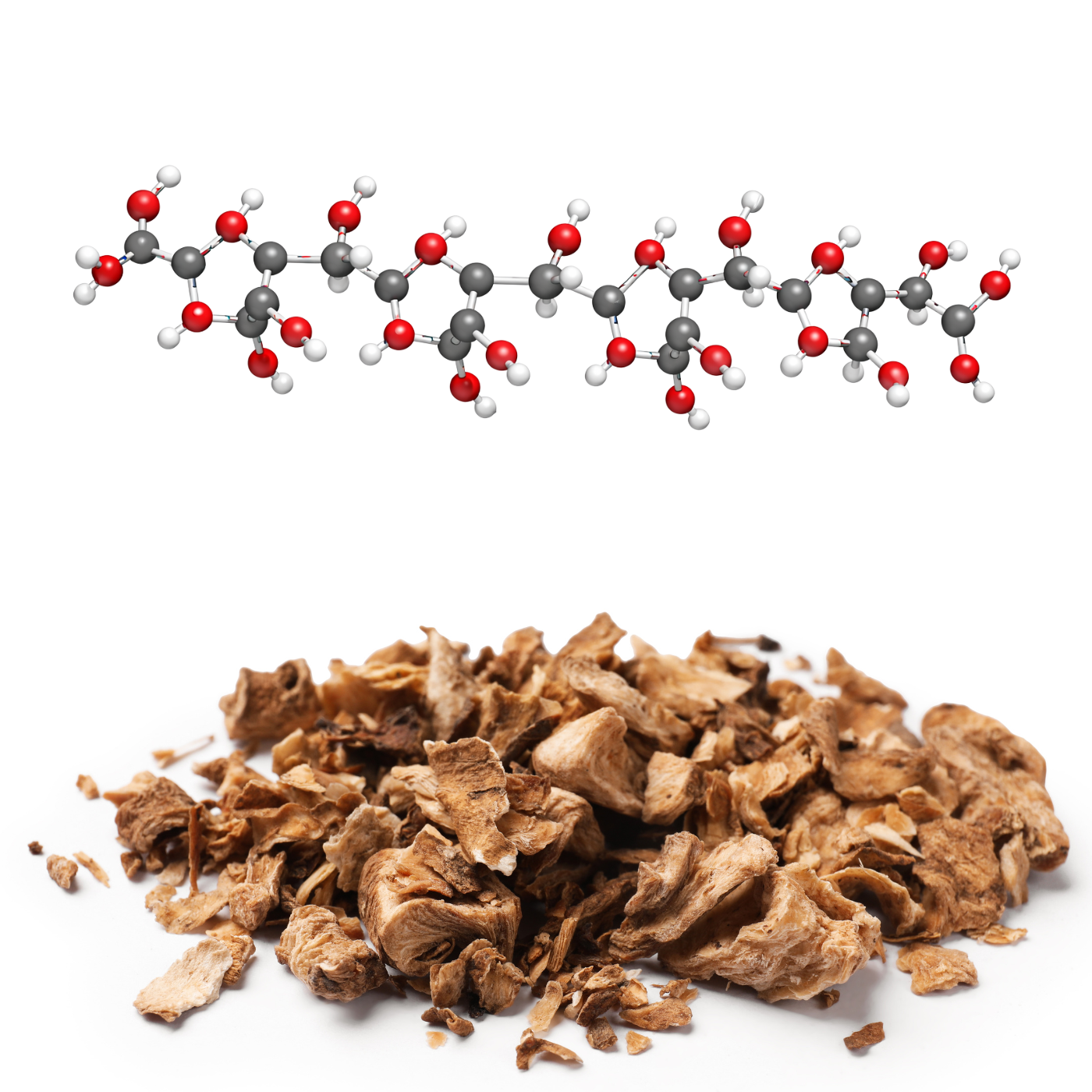
Inulin is one of the most important raw materials in the modern food industry, especially in the field of functional and low-fat products. It is a natural polysaccharide belonging to the family of soluble fibers, extracted mainly from root plants such as chicory (Chicory Root).
In recent years inulin has become a central ingredient in developing healthier food products. It allows improvement of product texture, replacement of some fat or sugar in the product, and adds nutritional value through its activity as a prebiotic fiber.
In food product development, inulin serves a dual role: on one hand it affects the texture and structure of the product, and on the other it contributes to advanced nutritional functionality. It can therefore be found across a wide range of food categories, from dairy products to functional beverages.
In advanced labs like Gruda Food Lab, inulin serves as an important tool for developing low-fat products, high-fiber products, and products with an improved nutritional profile.
Source and Extraction
The main industrial source of inulin is chicory root. The plant grows mainly in Europe, especially in Belgium, the Netherlands, and France, where a large industry has developed around inulin production.
The extraction process begins with washing and cutting the chicory roots, followed by hot water extraction to draw polysaccharides from the plant. The resulting solution undergoes filtration and purification, then concentration and drying to create a powder.
The resulting inulin is a white or slightly cream-colored material with good water solubility and a neutral to slightly sweet taste.
Chemical Structure
Inulin is a fructose polymer - a long chain of fructose units connected by β(2→1) bonds, often with one glucose unit at the end of the chain.
Chain length varies depending on source and production process. Shorter inulin is sometimes called oligofructose, while longer-chain inulin forms a larger polymer structure.
These differences affect functional properties: short-chain inulin is more water-soluble and provides light sweetness, while long-chain inulin provides better structural properties.
Functional Properties in Food Product Development
One of the most important properties of inulin is its ability to create a fat-like structure when dispersed in water. At an appropriate concentration, inulin forms a micro-crystalline structure that traps water and creates a creamy texture.
This allows it to be used as a fat substitute in low-calorie products - for example, giving dairy products a creamy mouthfeel despite a significant reduction in fat content.
Inulin is also capable of improving product stability and contributing to a smoother texture.
Inulin Effects on Mouthfeel
Inulin is considered one of the most interesting raw materials in terms of mouthfeel. Its micro-crystalline structure creates a creaminess similar to that of fat.
In ice creams and frozen desserts it can improve texture and reduce ice crystal formation. In dairy products such as yogurt or soft cheese, it contributes to a thick and smooth texture.
In beverage systems inulin should be used with caution, as it may cause cloudiness when the concentration is too high.
Applications in the Food Industry
In dairy products inulin is used in developing yogurts, soft cheeses, and desserts, allowing fat content to be reduced while maintaining a creamy texture.
In baked goods it can improve dough texture and add dietary fiber to the product.
In functional beverages inulin is used as a prebiotic ingredient in drinks intended to improve digestive health.
It can also be found in snacks, breakfast cereals, and low-calorie products.
Inulin as a Prebiotic Fiber
One of the key advantages of inulin is its activity as a prebiotic fiber - it serves as a food source for beneficial gut bacteria, especially the Bifidobacterium family.
When inulin reaches the large intestine it undergoes fermentation by microbiota bacteria, producing short-chain fatty acids that may contribute to digestive health.
Due to this property, inulin has become a particularly popular raw material in functional products and products intended to improve digestive health.
Combinations with Other Raw Materials
Inulin is often combined with additional ingredients to improve the technological properties of the product.
Combining with natural sweeteners such as stevia or allulose allows the creation of reduced-sugar products with better mouthfeel. It can also be combined with proteins to create high-protein products with a creamy texture, and with hydrocolloids to improve product stability.
Inulin Effects on Dough Structure
In baked goods inulin can affect dough structure and the baking process. It is capable of binding water and affecting dough viscosity.
In certain cases inulin may slightly slow down the fermentation process, requiring formulation adjustments when used in high quantities. However, it allows the fiber content of the product to be increased and gives it higher nutritional value.
Regulation
Inulin is considered safe for use in the food industry and is approved in most of the world. It is not defined as a food additive but as a natural dietary fiber.
In Europe and the United States it can be used across a wide range of products without special restrictions, as long as nutritional labeling regulations are met.
Technological Limitations and Challenges
At very high concentrations inulin may cause a feeling of gas or digestive discomfort in some consumers.
In certain systems it may also cause cloudiness or affect product viscosity. It is therefore important to adjust its concentration according to the product type and formulation structure.
Inulin in Functional Product Development
In recent years inulin has become one of the central raw materials in developing functional products. It allows dietary fibers to be added to products while maintaining a pleasant texture and neutral taste.
In high-protein products it can improve texture and reduce the dryness typical of such products. In functional beverages it can serve as a base for adding dietary fibers while maintaining body sensation in the drink.
Summary
Inulin is one of the most important raw materials in modern food product development, combining technological advantages with nutritional benefits to enable the development of low-fat, low-sugar, and fiber-rich products.
Thanks to its ability to create a creamy structure and improve mouthfeel, inulin has become a central tool for food technologists and chefs developing innovative products. Its use is expected to continue growing in the coming years, especially in functional and health-oriented products.